
We have completed four years and are approaching five. We take some heart in this: Trini has stayed true to its mission — without fail. The journey has not been smooth, and there is still a great deal left to do. So where are we today?
Quality and affordability are no longer aspirations on a wall. They are built into operations: regular quality monitoring, and meaningful fee discounts for those who need them. In the past year, nearly 250 unique patients availed of this concession — about two and a half times the previous year’s numbers.
Patient-first is designed into our processes, and it works more often than not. We have begun to earn a reputation as a place that serves the patient’s interest. 42% of all our patients visit us more than once. 30% of our new patients are referred by an existing patient.
A few examples:
- Physician selection. We invite only those who share our approach — doctors who listen, use medicine carefully, and avoid unnecessary tests. Patient reviews on Google and Practo often reflect this approach.
- Feedback. We do not merely “accept” it. We work with patients to reduce friction and resolve disputes.
- The promise at the door. A poster at our clinic exit says what we hope for most clearly:
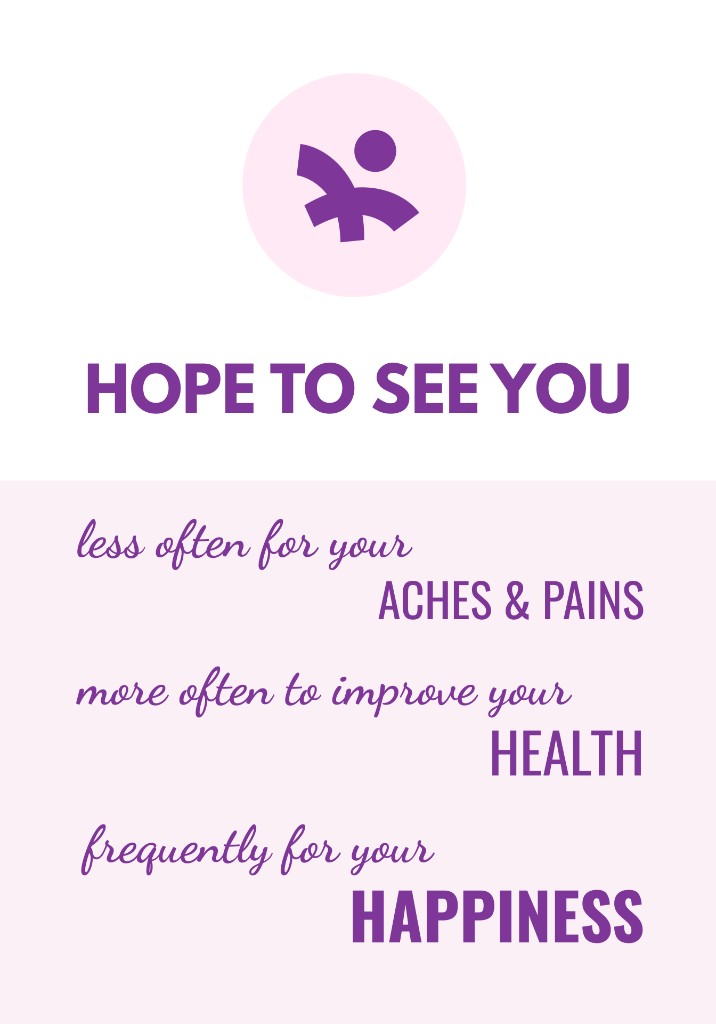
However, that spirit still has to be renewed — again and again — with physicians and staff.
Patient relationship management remains as important as ever. Delivery, though, has been mixed. Where we succeed, we succeed partly by design: systems that make the right behaviour easier. For example:
- A light, flexible, staff-friendly clinic system we built ourselves, because off-the-shelf products were neither simple enough, nor flexible enough
- Patient updates and engagement through IVR, WhatsApp, and SMS with full integration with our clinic system
- A clear escalation path when something goes wrong
This, too, needs constant reinforcement — especially with staff, less so with physicians.
Process and technology are intertwined. We keep building the tools we need to lower overhead and work better.
Staying true to a mission is not the same as finishing the work. The harder lesson has been about the assumptions underneath the charter — and how human systems actually behave.
Previous: The charter we still live by
Next: We don’t chase perfection. We manage the curve. — what we assumed, what we learned, and why the normal curve helps.
Have questions about this topic?
Talk to our doctors